November 11, 2026
Choosing the right color palette for your kitchen significantly shapes both the visual atmosphere and daily functionality of the home. A cohesive color scheme influences mood and spatial perception, transforming a purely utilitarian area into a welcoming, well-proportioned space. Beyond everyday enjoyment, intentional material and color coordination adds lasting value to a residential property. Strategic planning around your kitchen cabinet design creates a unified theme throughout the interior architecture. According to Zonda's 2025 Cost vs. Value Report, a minor kitchen remodel yields an average return on investment of 112.9% at resale.
Harmonious Color Dynamics
Understand Core Color Dynamics
Color theory provides the structural framework for balanced layout coordination across cabinetry and counters. Primary hues combine to form secondary tones, establishing chromatic balance across contrasting surfaces. In residential interiors, balancing color temperature remains essential to achieve an inviting, cohesive space. Thoughtful kitchen cabinet design relies on these relationships to anchor the room's overarching palette.
Warm tones such as creams, earthy browns, and warm woods foster an inviting, sociable environment that draws family members together during meal preparation. Cool tones like soft grays, crisp whites, and muted blues produce a clean, calming aesthetic that can make compact layouts feel considerably larger and more open. Meanwhile, versatile neutrals including whites, creams, and charcoals provide a steady foundation that allows architectural finishes and stone surfaces to stand out without visual clutter. Integrating these diverse values in measured amounts keeps the room feeling grounded rather than visually overwhelming.
Gaining comfort with these fundamental relationships allows homeowners to navigate subtle shade variations with ease. When colors share similar tonal weights, they sit comfortably side by side without competing for immediate attention. Subtle gradations can soften transitions between distinct working zones, helping the kitchen function as both a cooking hub and a gathering spot. A balanced foundation ensures the final aesthetic holds up gracefully across everyday domestic routines.
Align with Interior Styles
Your chosen palette should naturally support your space's architectural character rather than compete against it. Traditional motifs thrive on rich undertones, glazed finishes, and naturally veined stone surfaces that highlight fine joinery. Modern spaces emphasize monochrome bases, seamless slab faces, crisp edges, and controlled contrast across modern storage. Rustic schemes pair warm neutral bases with organic textures, while industrial motifs balance charcoal and slate surfaces with raw metal accents. Establishing a clear direction ensures your kitchen cabinet design harmonizes with your chosen finishes.
Defining an overarching stylistic perspective helps eliminate conflicting options when narrowing down materials. When a kitchen leans into clean, contemporary styling, leaning on restrained tonal shifts maintains the sleek order of the cabinetry. Conversely, homes that celebrate historic character benefit from layered glazes and classic color stories that reflect timeless sensibilities. Honoring the existing structural traits of your home creates a smooth visual continuity that extends effortlessly into adjacent living areas.
Balanced Lighting and Fixtures
Assess Natural and Artificial Illumination
Lighting dramatically shifts how surface colors and stone undertones read throughout different hours. North-facing natural light tends to cast cool, blue-tinted shadows, requiring warmer surface tones to avoid feeling sterile. Conversely, warm southern exposure intensifies gold and cream pigments within the room. Layered artificial illumination, incorporating warm ambient ceiling fixtures alongside focused under-cabinet task fixtures, ensures consistent chromatic balance. Careful illumination review remains a foundational part of deliberate kitchen cabinet design.
Because illumination conditions fluctuate as the sun moves across the sky, observing potential materials at dawn, midday, and dusk is deeply beneficial. A shade that appears soft and welcoming under bright morning sun might take on a deeper, moodier persona as evening approaches. Integrating adjustable overhead dimmers gives homeowners additional control over the perceived richness of their chosen palette throughout the day. Paying close attention to the way light washes over different finishes preserves the harmonious environment you set out to create.
Coordinate Cabinets, Countertops, and Surfacing
A successful palette relies on intentional coordination among primary permanent kitchen installations. Balancing finishes requires evaluating how horizontal surfaces interact directly with vertical elevations. Implementing a purposeful kitchen cabinet design establishes how woodwork will interact with veined natural slabs and accents.
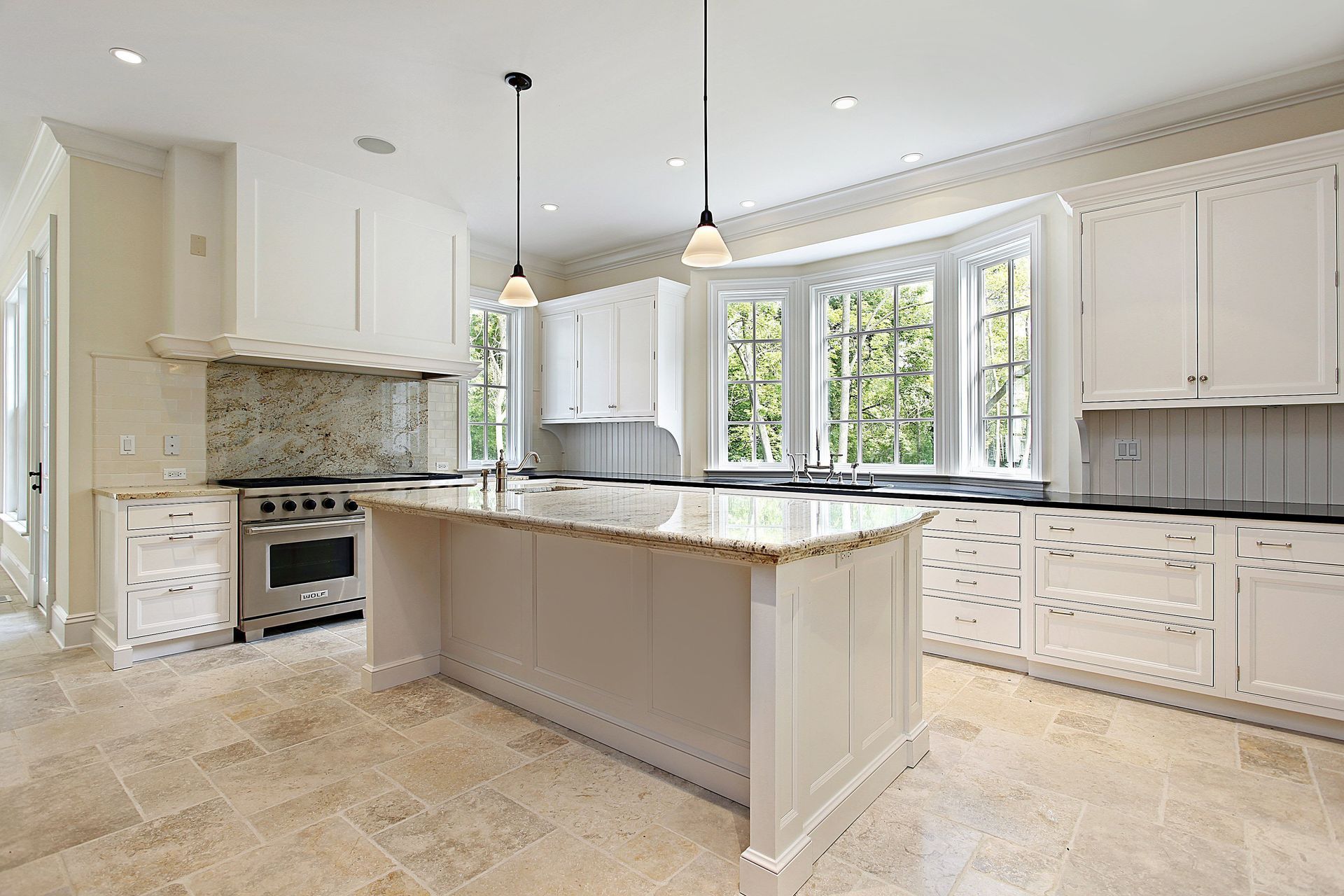
As the largest vertical surface area, cabinetry finishes set the visual baseline for the entire room. Light painted doors contrast cleanly against darker islands, while natural wood stains require undertone matching with surrounding surfaces to preserve visual calm. Meanwhile, countertop surfaces serve as the primary horizontal workspace and visual anchor across the layout. Natural stones such as granite, marble, and quartzite provide organic veining, crystalline depth, and distinct movement that often dictate secondary accent colors, whereas engineered quartz delivers uniform consistency across modern whites, warm creams, and deep charcoals. Finally, backsplash tile should tie the countertop undertones directly to the cabinetry finish, either through subtle monochromatic continuity or a targeted focal contrast behind the cooktop.
Evaluating these three dominant components as a unified composition prevents any single element from looking out of place. When the cabinetry and perimeter counters share a compatible dialogue, other decorative choices fall into place with ease. Introducing thoughtful relationships between the textures also enriches the tactile quality of the entire room. Taking a measured approach ensures each material elevates the next without creating visual confusion.
Durable Stone Materials
Evaluate Durability and Routine Maintenance
Kitchen surfaces constantly endure heat, moisture, food acids, and everyday impacts. Choosing resilient materials ensures your aesthetic choices remain intact over years of continuous household use. Engineered quartz is non-porous and resists stains from coffee, wine, and cooking oils without requiring routine sealing. Dense natural stones like granite and quartzite deliver exceptional scratch resistance and heat tolerance when properly maintained. Aligning stone longevity with functional kitchen cabinet design protects your investment over time.
Beyond the structural qualities of the material itself, the visual characteristics of stone patterns play an active role in daily kitchen maintenance. Surfaces featuring subtle movement, fine aggregate, or balanced veining naturally conceal everyday dusting and minor kitchen spills between cleanings. Homeowners who select materials aligned with their everyday cooking habits spend less time worrying about surface preservation and more time enjoying their space. Selecting surfaces that combine visual grace with physical endurance supports a comfortable, low-stress cooking environment.
Consult Specialists for In-Person Evaluation
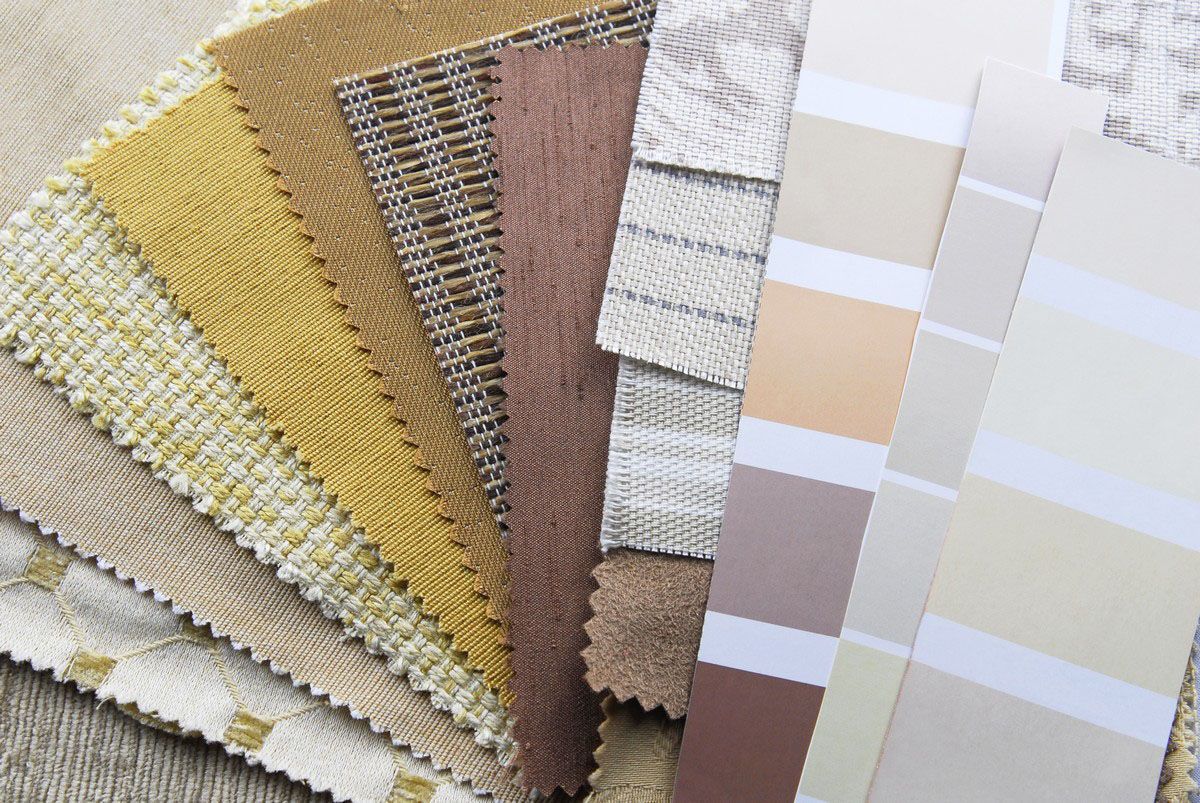
Small digital swatches or paint chips rarely capture the true scale of an installed room. Working directly with surface specialists allows homeowners to examine full-size stone slabs side-by-side with physical cabinet samples. Reviewing materials under realistic lighting eliminates undertone mismatches and ensures predictable, polished installation results. This comprehensive evaluation refines your kitchen cabinet design before fabrication begins.
Seeing entire slabs up close provides insight into the natural movement, subtle shading, and variations that define genuine stone surfaces. Specialists can walk through the distinct characteristics of each slab, ensuring the chosen piece matches the intended aesthetic vision. Reviewing physical finishes together offers clarity that digital photographs simply cannot provide. This hands-on process brings peace of mind and builds confidence for the final installation.
Complete Kitchen Renovations
Creating the perfect kitchen palette requires harmonizing your personal style with the natural character of your surfaces, fixtures, and cabinetry. When you are ready to bring your vision into reality, Unique Stones Countertops & Cabinets offers comprehensive fabrication and installation throughout Frederick, MD, and neighboring communities. Whether you want to view premium granite, marble, quartz, and quartzite slabs in person, match semi-custom cabinets, or restore existing surfaces with professional stone repair, our specialists provide complimentary estimates alongside a 1-year labor warranty. Contact our team to learn more about transforming your space.